Why Group Training is not enough for skills development?
POSTED ON:2026-08-29 22:25:00.
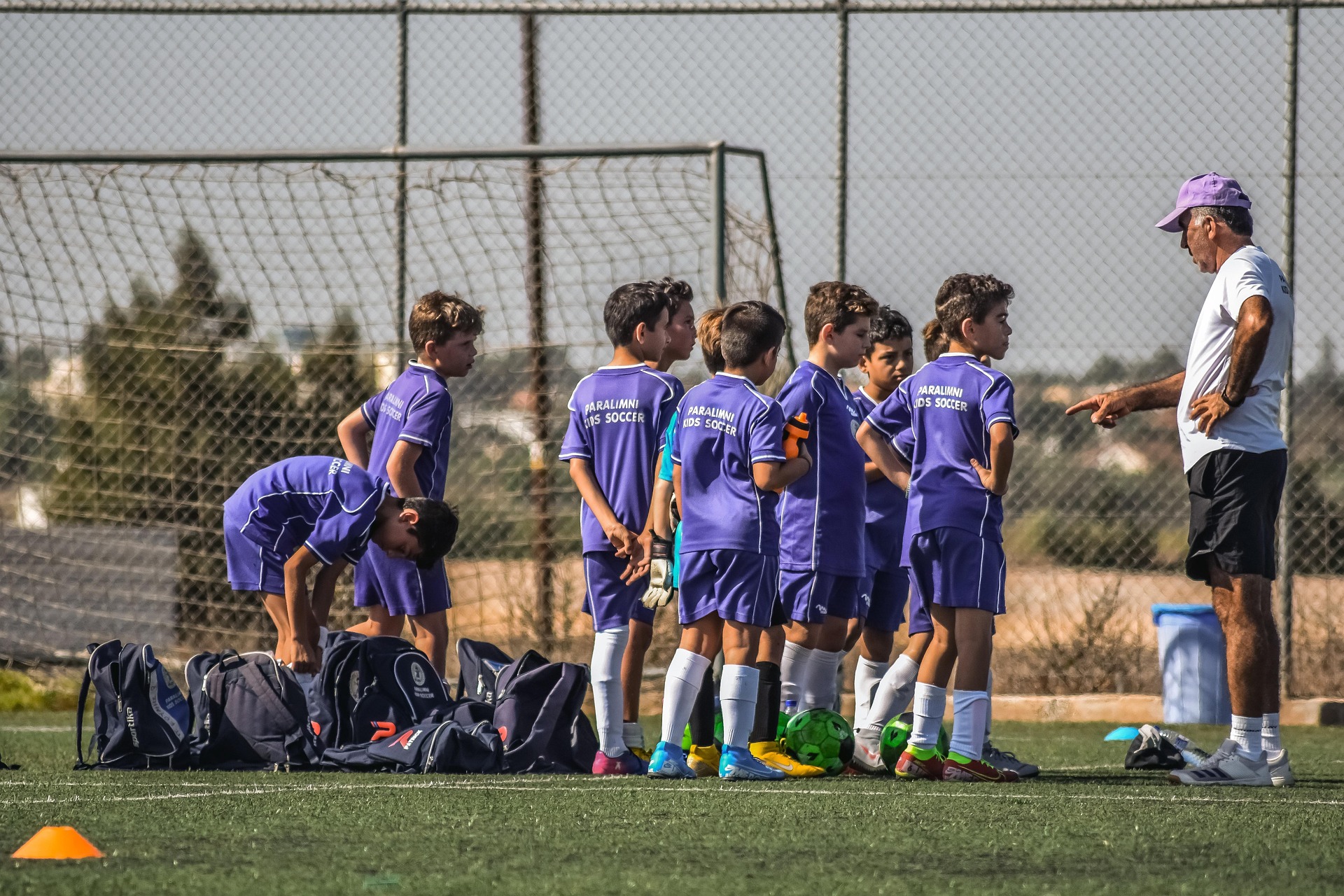
Watch any junior training session for ten minutes and you'll see the same thing: one coach, fifteen or twenty kids, and a clock that never slows down. The coach is trying to run a drill, manage behaviour, keep an eye on safety, and somehow also notice that one player's elbow is dropping on every throw. It's an impossible job — not because the coach isn't good, but because the maths simply doesn't work.
If a one-hour session has 18 athletes, that's just over three minutes of individual attention per child, if the coach spent the entire session doing nothing but one-on-one correction. In reality, it's usually far less. Most of that hour goes to organising the group, explaining the drill, and managing the flow of training — all necessary, none of it individualised feedback.
This isn't a criticism of club coaches. It's simply the structural reality of group training. And it's exactly the gap that personalised video feedback is designed to close.
The Real Cost of Not Enough 1:1 Time
When a young athlete doesn't get individual correction, three things tend to happen:
Bad habits get reinforced instead of fixed. Practice makes permanent, not perfect. A flawed grip, an early release, poor footwork — without someone flagging it, the athlete just keeps grooving the same mistake, rep after rep, session after session.
Progress plateaus, and motivation follows it down. Kids who feel like they're "stuck" tend to disengage. Often what looks like a motivation problem is actually a feedback problem — they don't know what to change, so they can't feel themselves improving.
Talent gets missed. In a group of 20, the quiet, slightly under-confident kid with real potential can go a whole season without the coach ever really seeing what they can do up close. Attention naturally gravitates toward the most vocal or most visibly struggling athletes.
None of this is anyone's fault. It's simply what happens when the coach-to-athlete ratio makes true 1:1 attention almost mathematically impossible during a normal training block.
Why Video Feedback Solves the Ratio Problem
Video feedback works because it separates training from review. The athlete doesn't need the coach standing next to them to capture the moment worth correcting — they just need a phone.
A short clip of a serve, a tackle, a jump, or a stride gets sent to a coach, who reviews it away from the noise and time pressure of a live session. That coach can pause, rewind, draw on the frame, and give the kind of considered, specific feedback that simply isn't possible to deliver in real time to a group of 20.
This flips the constraint. Instead of feedback being limited by how many minutes the coach can physically spend with each athlete during training, it's limited only by how many clips get reviewed — which scales far more easily, and far more affordably, than adding more coaching staff on the field.
The benefits stack up quickly:
- Individual attention, every time. Every clip gets a proper look, not a passing glance between drills.
- Feedback the athlete can actually use. A specific note on frame-by-frame footage ("your front foot lands too early — watch this at 0:03") is far more actionable than a shouted correction mid-session.
- Access to better coaching, regardless of location. A regional or rural athlete isn't limited to whoever happens to coach the local club — they can get reviewed by an expert coach anywhere.
- A record that builds over time. Instead of feedback disappearing the moment it's said out loud, there's a history the athlete (and parent) can look back on to see what's actually improved.
- It doesn't replace the coach — it extends them. Club coaches can keep running strong group sessions, while video feedback covers the individual layer they simply don't have time for.
Why It Needs to Run Through One Platform
It would be easy to assume this could all happen informally — a text here, a video sent over social media there, an ad hoc arrangement with a coach a parent happens to know. In practice, that approach breaks down fast, for a few reasons.
Feedback gets lost. A voice note or a comment on a video call disappears the moment the conversation ends. Without a central place to store it, there's no way to track what's already been said, what's improved, and what still needs work.
Quality is inconsistent. Anyone can film a clip and offer an opinion, but not every "coach" giving feedback online is actually qualified to. A single platform means every coach reviewing footage has been vetted, and every athlete is getting feedback from someone who genuinely knows the sport.
There's no accountability or structure. Ad hoc feedback has no framework behind it — no consistent way of flagging what to work on, no clear path from one review to the next. A structured platform can apply the same feedback model every time, so progress is something you can actually track, not just something you hope is happening.
Payment and trust get messy. Informal arrangements mean informal payment, unclear expectations, and no protection for either the coach or the family if something goes wrong. A platform handles that transaction cleanly, so both sides can focus on the coaching itself.
This is exactly the problem Invictus Sport was built to solve. Rather than parents cobbling together feedback from wherever they can find it, Invictus brings athletes and vetted coaches together in one place: athletes upload a clip, a qualified coach reviews it properly, and the feedback — along with a running history of it — lives in one dashboard everyone can refer back to. It's the individual attention group training structurally can't provide, delivered in a way that's consistent, trackable, and built for young athletes to actually improve from.
The Bottom Line
Group training will always be limited in how much 1:1 attention it can give any one child — that's not a flaw to fix, it's just the nature of coaching a group. Personalised video feedback isn't a replacement for that training; it's the missing layer that turns hours of group practice into targeted, individual improvement. And when that feedback runs through a single, structured platform like Invictus, it stops being occasional and informal, and starts being something a young athlete — and their parents — can actually rely on.